
2026-08-27 ·
How Georgia Weather Affects Gutter Installation and Performance
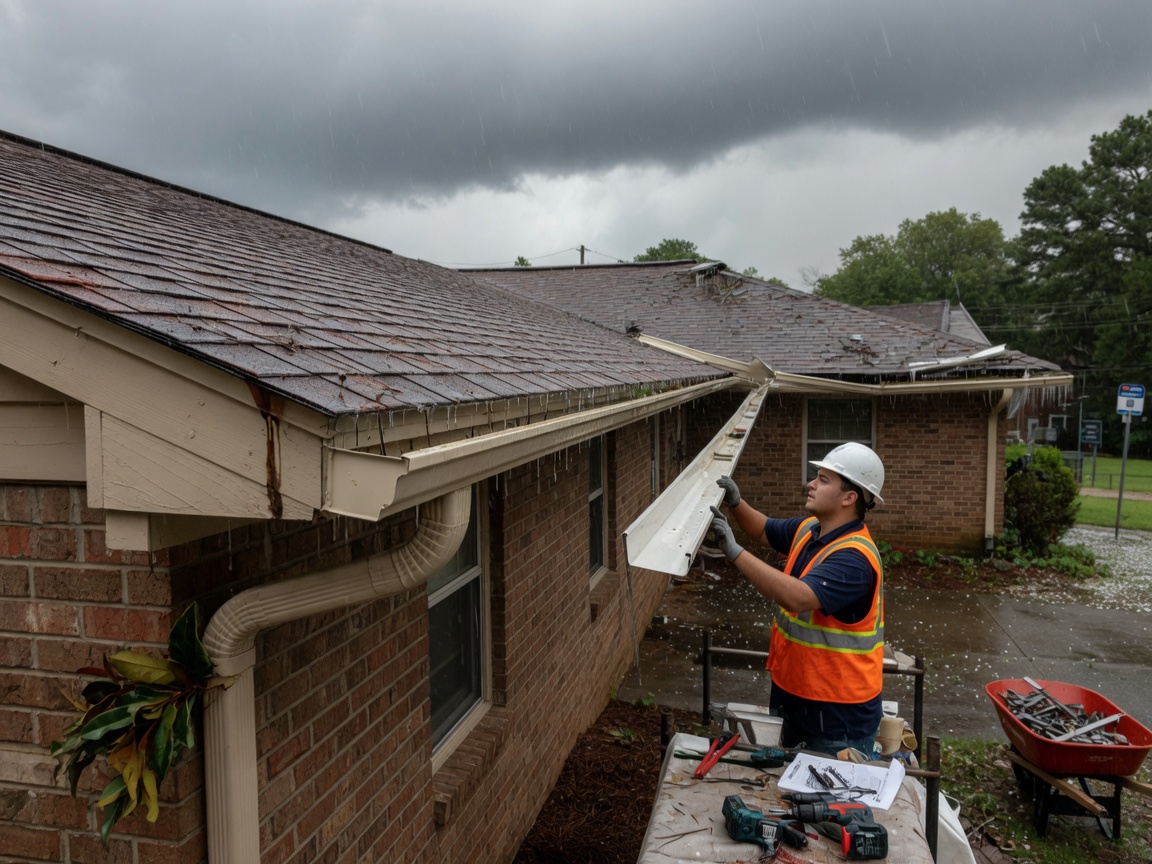
Atlanta's humid subtropical climate means gutters must handle intense summer downpours and high moisture levels that accelerate wear on seams and fasteners. In Fulton County homes, installers size systems for 4–6 inches of rain in a single event during peak season, which requires steeper pitches and larger 6-inch profiles on many properties in Buckhead and Virginia-Highland. Mild winters reduce ice dam risks but still bring occasional freezes that test joint integrity on older housing stock built before 1960.
Summer Heat and Material Performance
Hot summers push daytime temperatures above 90°F for weeks, causing aluminum and steel gutters to expand and contract daily. This movement loosens fasteners on sectional systems in neighborhoods such as Inman Park and Old Fourth Ward where Victorian-era homes have uneven rooflines. Seamless gutters installed with proper expansion joints hold up better because they eliminate many connection points that fail under repeated thermal stress. Installers also factor in UV exposure that degrades sealants faster on south-facing elevations near Piedmont Park. Homeowners in these areas often see premature cracking at mitered corners within 8–12 years when expansion was not planned during the original install.
Heavy Rainfall and Drainage Demands
Summer thunderstorms deliver 2–3 inches of rain per hour in Fulton County, overwhelming undersized or poorly sloped gutters on homes in Grant Park and East Atlanta. Proper installation includes calculating roof square footage and adding downspouts every 20–30 feet on long runs common to ranch-style houses in Sandy Springs. Humidity keeps debris damp longer, increasing the chance of clogs that back water under shingles. Linking to Gutter Installation shows how local crews adjust hanger spacing and add rain gutter extensions to route water away from foundations on clay-heavy soils. Without these adjustments, properties near the Atlanta BeltLine experience repeated basement moisture issues during the wettest months.
Mild Winters and Freeze-Thaw Cycles
Winters stay mild with average lows in the 30s, yet occasional dips below freezing still occur in Decatur and West End. Water left in gutters expands and stresses seams on copper or aluminum systems. Installers recommend micro mesh gutter guards on homes near Centennial Olympic Park to keep leaves out while allowing meltwater to flow. These guards reduce the weight load that builds when wet debris freezes overnight. In practice, systems installed with 1/4-inch-per-foot slope and oversized outlets perform reliably through the 5–10 freeze events typical each winter without splitting joints.
Practical Installation Adjustments for Local Conditions
Crew experience in Midtown and surrounding Fulton County neighborhoods shows that aluminum rain gutters paired with seamless construction resist both heat expansion and humidity-driven corrosion better than vinyl options. Adding Gutter Guards Installation during the initial job prevents the rapid debris accumulation that humidity encourages. Readers can review Gutter Installation in Georgia: Costs, Types, and What to Expect for deeper cost breakdowns tied to roof pitch variations found on historic homes. Final performance depends on matching pitch, material gauge, and guard type to the specific rainfall patterns and housing age in each Atlanta neighborhood.